The Hawaiian Plate Lunch: A History of Hawaiʻi's Local Comfort Food

If you want to understand Hawaiʻi's local food culture, there may be no better place to start than the plate lunch.
The basic formula is wonderfully simple: usually two scoops of white rice, a scoop of macaroni salad and a generous serving of meat or another entrée. Order a mixed plate and you'll get two or more entrées.
But what's sitting on that plate tells a much bigger story.
A plate lunch might include Japanese-influenced chicken katsu, Korean-style kalbi ribs, teriyaki beef, Filipino-inspired dishes, Portuguese sausage or kalua pig. Somehow, surrounded by rice and mac salad, they all belong together.
That's because the plate lunch is a product of Hawaiʻi's multicultural history.
From Plantation Lunches to Local Food

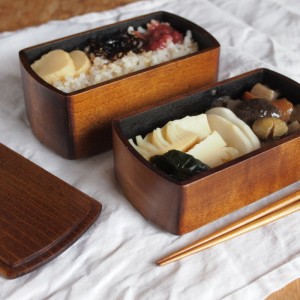
A typical Bento Box contains rice, pickled or cooked vegetables and a protein such as fish or meat. Traditional Bentos had two or three layers of containers stacked high separating the various food types. This made it easy to pass around as the workers shared their food with one another.
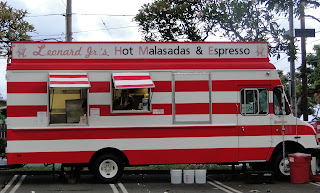
As the world modernized and less people brought lunch to work, the plate lunch was created by food wagons and establishments supplying lunch plates to field workers whose contents were similar in fashion to the Bento box.
Over generations, foods and flavors crossed cultural lines. What started as the cooking of individual immigrant communities gradually became part of a larger local cuisine unique to Hawaiʻi.
The modern plate lunch grew from that environment, although its exact birthplace isn't completely settled.
Food historian Arnold Hiura researched the origins of the plate lunch and found accounts of vendors serving recognizable plate lunches to workers around Honolulu Harbor during the late 1920s and 1930s. One vendor, Moyo Iwamoto, reportedly sold dockworkers plates containing rice, vegetables, macaroni salad, pickles and entrées before eventually operating a lunch wagon.
So rather than having one inventor, the plate lunch appears to have evolved from Hawaiʻi's working-class food culture.

That's what makes the plate lunch such a good example of the distinction between Native Hawaiian food and Hawaiʻi local food.
The plate lunch itself isn't an ancient Native Hawaiian dish. It developed from the multicultural communities that made Hawaiʻi home and became part of Hawaiʻi's local food culture.
Read: What Is Hawaiian Food?
Why Rice and Macaroni Salad?
Rice makes perfect sense when you consider the enormous influence Asian cultures have had on Hawaiʻi's food.
Macaroni salad is more mysterious.
Several theories have been offered for how macaroni salad became part of Hawaiʻi's local cuisine, but there isn't a single documented origin story. Whatever its beginnings, Hawaiʻi adopted it, adapted it and made it an essential part of the plate-lunch experience.
And yes, putting macaroni salad next to two scoops of rice means you're serving starch with a side of starch.
Nobody said plate lunch was invented by a dietitian.
The mild rice and creamy mac salad also serve an important purpose. They pair beautifully with intensely flavored entrées such as teriyaki beef, kalbi ribs, chicken katsu or shoyu chicken.
Finding Plate Lunch on Oʻahu
Plate lunch isn't fancy food.
That's part of what makes it special.
Locals know their favorite spots. Some are drive-ins. Some are lunch wagons. Some are tiny neighborhood restaurants like the Hukilau Cafe walking distance from my home in La'ie. Others have grown into well-known chains such as Zippy's or L&L.
When I lived in Lāʻie on Oʻahu's North Shore, I worked at Honolulu International Airport until I moved to St. Louis in 1986. That meant roughly an hour commute each way, and I had plenty of opportunities to discover local food along the route.
There were famous names such as Zippy's, Rainbow Drive-In and L&L, along with small places that most visitors would never know existed.
I remember the Paniolo Cafe in Punaluʻu and its paniolo rattlesnake chili. There was the shrimp shack along Kam Highway around Kahuku. Matsumoto's Shave Ice in Haleʻiwa made a great afternoon stop, and Libby's Manapua in Kalihi was another favorite.
Depending on which way I traveled between Lāʻie and Honolulu, an entirely different collection of local food was waiting along the road.
One route followed the Windward side on Kamehameha Highway and eventually took me toward Honolulu through the mountains. Another carried me through Central Oʻahu Wahiawa and Haleʻiwa. There were plate-lunch spots, saimin shops, bakeries, manapua and shave ice scattered along the way.
Those weren't tourist attractions to me.
They were places to eat.
And that's an important part of understanding the plate lunch.

Plate Lunch Is Everyday Hawaiʻi Food
Visitors can spend a week at a beautiful Hawaiʻi resort and never really encounter the kind of food many local families grew up eating.
Plate lunch belongs to a different Hawaiʻi.
It's lunch from the neighborhood drive-in. It's something picked up on the way to work. It's food from a lunch wagon. It's the mixed plate where you can't decide between teriyaki chicken and kalbi, so you get both.
It's casual, filling and wonderfully unpretentious.
Most importantly, a single plate can represent generations of Hawaiʻi's cultural history.
Chinese, Japanese, Korean, Filipino, Portuguese, Native Hawaiian and other influences didn't simply exist alongside one another. Over generations they interacted and helped create something distinctly local.
That's why I think the plate lunch is one of the best ways to understand Hawaiʻi's broader food culture.
Bringing Plate Lunch to St. Louis
After moving to St. Louis, one thing always puzzled me.
Why hadn't Hawaiian plate lunch spread across the country the way so many other regional foods had?
For years, if you wanted a good plate lunch, your best bet outside Hawaiʻi was often somewhere along the West Coast. Eventually I decided St. Louis shouldn't have to miss out. That idea became part of the inspiration for Buzz's Hawaiian Grill.
Our plates follow the same local-style tradition I remember from Hawaiʻi: rice, macaroni salad and entrées influenced by the many cultures that helped shape the islands' food.
Teriyaki chicken. Chicken katsu. Kalua pig. Korean kalbi ribs. North Shore garlic shrimp. And if choosing only one protein seems unreasonable, there's always the mixed plate.
The plate lunch may look simple.
But look a little closer and you're looking at more than lunch. You're looking at a delicious piece of Hawaiʻi's history.
And that's why, all these years later, plate lunch still tastes like home to so many people from the islands.
Comments
Post a Comment